Medicare Part d plans
How To Understand Medicare Part D Plan Drug Coverage
Medicare Part D prescription drug coverage is essential for managing your medication costs effectively. Unlike Original Medicare (Parts A and B), which provides limited prescription drug benefits, Medicare Part D offers comprehensive coverage for prescription medications you take at home. This optional Medicare prescription drug plan, available through Medicare-approved private insurance companies, significantly reduces out-of-pocket costs for both brand-name and generic drugs.

What is medicare Part d plan?
Medicare Part D prescription drug plans provide essential medication coverage that Original Medicare doesn’t offer. These Medicare-approved prescription drug plans are administered by private insurance companies and designed to help Medicare beneficiaries afford their prescription medications.
New for 2025: The Medicare Part D Prescription Payment Plan
Starting in 2025, a new program is available to help make your prescription costs more predictable throughout the year. The Medicare Prescription Payment Plan is a voluntary option that allows you to spread your out-of-pocket drug costs into manageable monthly payments instead of paying them all at once at the pharmacy.
There is no cost to participate in this payment plan. It’s important to know that while this program helps with your monthly budget, it doesn’t lower your total drug costs for the year. If you get Extra Help, this payment option may not be the best choice for you
Two Main Paths to Medicare part d Plans Prescription Coverage
Most people get their drug coverage in one of these two ways. Your choice will typically depend on how you decide to get your main hospital and medical benefits.
A Standalone Part D Plan (PDP)
This is a separate insurance plan that you can add to your Original Medicare (Part A and Part B). It’s a good option if you plan to stick with Original Medicare for your health coverage and may also be paired with a Medigap plan.
A Medicare Advantage Plan (MAPD)
This is the ‘all-in-one’ approach. Most Medicare Advantage (Part C) plans include prescription drug coverage as part of their bundled benefits, giving you a single plan for your hospital, medical, and drug needs.
What You Can Expect to Pay
While every plan’s costs are a bit different, they are usually made up of a few key parts. Knowing what they are makes it much easier to compare plans and budget for your medications.
Monthly Premium
Most Part D plans charge a monthly fee, which you pay in addition to your Part B premium. This amount varies from plan to plan. Premiums can also increase or decrease every year.
Annual Deductible
This is the amount you pay out-of-pocket for your medications before your plan starts to pay its share. Some plans have a $0 deductible, while others have a deductible up to the yearly limit set by Medicare – $595 in 2025.
Copayments & Coinsurance
After you meet your deductible, you’ll pay a copayment (a fixed amount, like $10) or coinsurance (a percentage of the cost, like 25%) for each prescription you fill.
Major Cost Protection for 2025
Starting in 2025, there’s a new cap on what you’ll spend. Once your out-of-pocket costs for covered drugs reach $2,000 for the year, you won’t have to pay a copayment or coinsurance for your covered drugs for the rest of that calendar year.
TIMING IS EVERYTHING
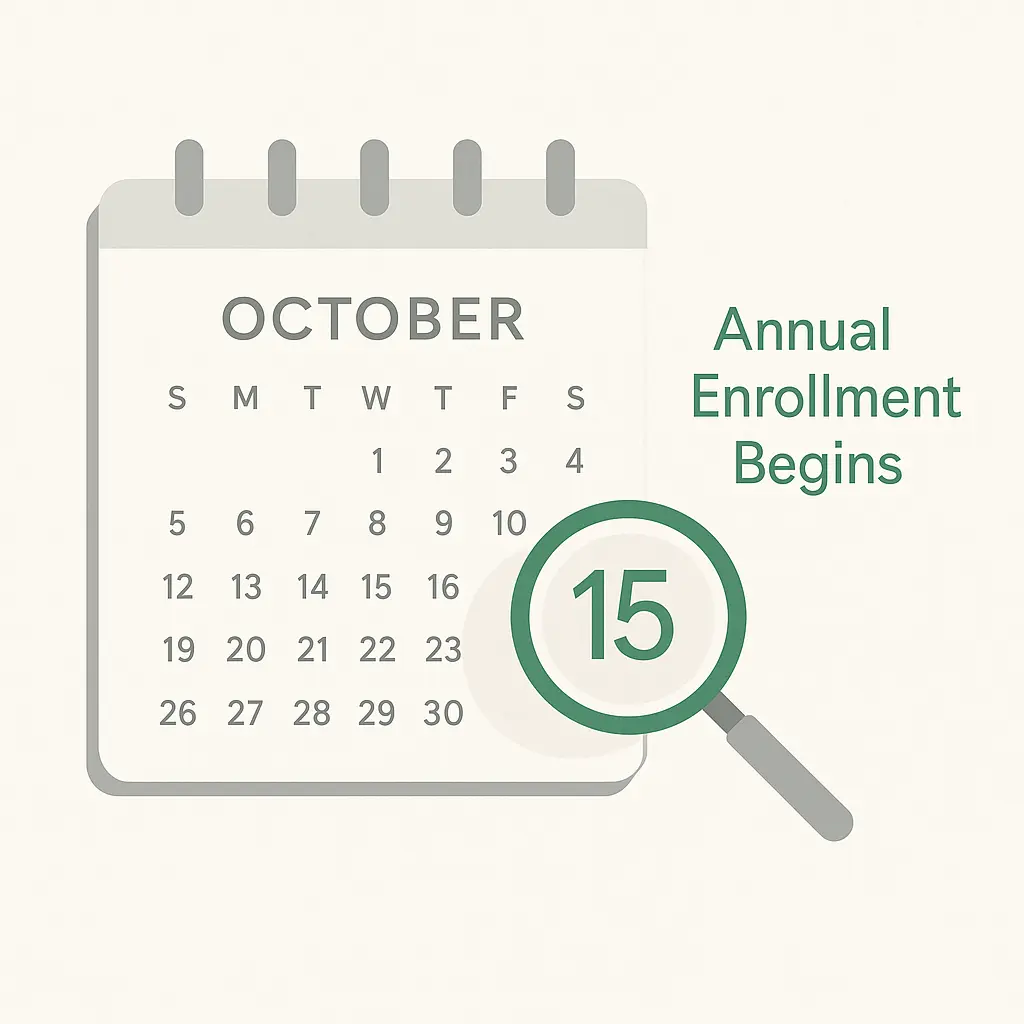
Key Enrollment Periods for Medicare Part D Plans
A Note on the Late Enrollment Penalty
If you don’t sign up for a Medicare drug plan when you’re first eligible and go without other ‘creditable’ drug coverage for 63 consecutive days or more, you may have to pay a late enrollment penalty if you decide to join later. This penalty is a monthly amount added to your Part D premium for as long as you have coverage.
LET’S MAKE MEDICARE SIMPLE
How Part D Fits Into Your Big Picture
We’re here to help you analyze your options to ensure your entire healthcare coverage—medical and prescription—is a cohesive and cost-effective fit for you.